Getting a nutritious dinner on the table every night can feel like a juggling act—especially when your family spans generations and everyone has different health needs. In my home, I’m managing thyroid and blood pressure challenges, my little one is on the autism spectrum with ADHD, and my parent has heart and kidney concerns. Over time, I’ve learned how to keep dinners tasty, simple, and welcoming for everyone.
What Makes a Dinner Anti-Inflammatory and Family-Friendly?
Anti-inflammatory dinners help calm the body’s stress response and can support mood, focus, energy, and gut health. I build meals around:
- Plenty of vegetables: leafy greens, sweet potatoes, zucchini, broccoli, peppers.
- Lean proteins: salmon, chickpeas/beans, skinless chicken, tofu.
- Gentle grains/starches: quinoa, brown rice, roasted potatoes.
- Healthy fats: extra-virgin olive oil, avocado, nuts/seeds (as tolerated).
- Mild, well-seasoned flavors: turmeric, ginger, garlic, basil, oregano, lemon/citrus.
- Smart swaps: fewer processed meats/added sugars; more whole foods & fiber.
Every home cook eventually runs into the challenge of balancing nutrition with picky preferences and dietary needs. Anti-inflammatory recipes aim to support the body in calming inflammation, which can help with mood, focus, energy, gut health, and more.
A Quick Framework for Stress-Free Dinners
- Pick a protein (salmon, lentils, chicken, tofu).
- Choose a rainbow of veggies (roast or steam for softer textures).
- Add a gentle grain (quinoa/brown rice; small potato portions if preferred).
- Season thoughtfully (herbs, spices, lemon zest vs. lots of salt).
- Finish with healthy fats (drizzle of olive oil, avocado, or seeds).
This framework keeps things flexible, and I can adjust serving sizes or prep styles (like pureeing or chopping) to match my family’s needs. Sometimes, I serve components separately and let everyone customize their plates, helping make meals less stressful and more enjoyable for picky eaters.
👉Pro-Tip: Serve components family-style so everyone can build a plate they’ll eat—great for sensory needs and picky eaters.
Dinner Recipes Everyone Will Actually Eat
If you’re dealing with multiple tastes and specific health concerns, finding meals that don’t feel like “diet food” is really important. Here’s a set of dinners that have gotten big thumbs up from my own table:
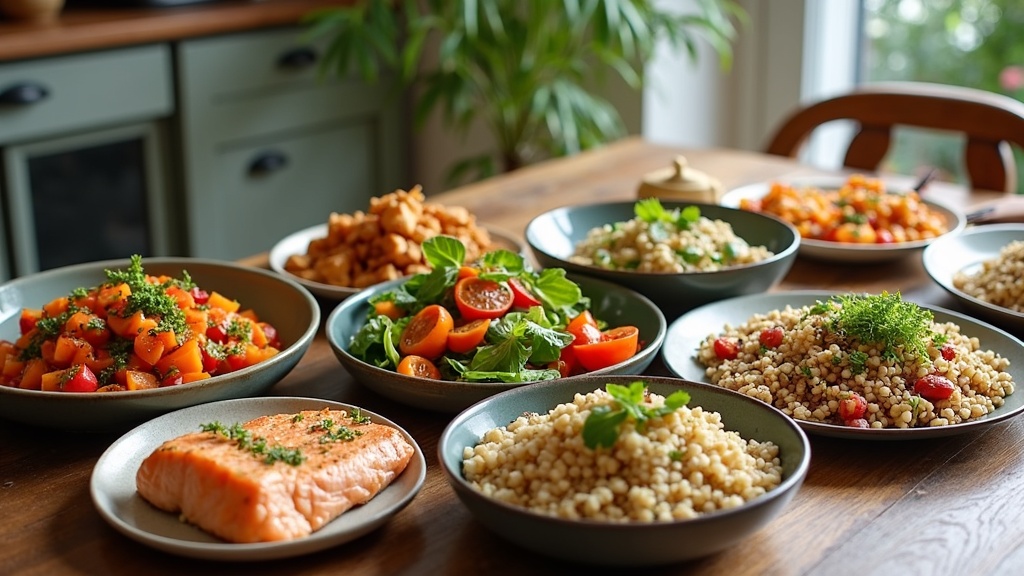
1) Sheet-Pan Salmon with Rainbow Veggies
What’s in it: Salmon fillets, broccoli, carrots, bell peppers, red onion.
Seasoning: Olive oil, lemon zest, dill, garlic powder; black pepper to taste.
How: Toss chopped veggies with oil/seasonings on a sheet pan. Nestle salmon on top, drizzle with oil/lemon. Roast at 425°F (218°C) for 12–15 min (depending on fillet thickness).
👉 Family tips: Cut veggies into fun shapes; keep a portion lightly seasoned; swap salmon for tofu if needed.
2) Turkey & Sweet Potato Skillet
What’s in it: Lean ground turkey, diced sweet potatoes, onion, zucchini, chopped spinach.
Seasoning: Turmeric, paprika, basil, a little garlic.
How: Brown turkey in a large skillet. Add onion and sweet potato; cover and cook until tender. Stir in zucchini/spinach and seasonings; cook until wilted.
Why it works: Soft textures, kid-approved flavor, easy to reheat.
3) Creamy Chickpea & Spinach Curry (Dairy-Free)
What’s in it: Canned chickpeas (rinsed), baby spinach, coconut milk, onion, crushed tomatoes.
Seasoning: Ginger, turmeric, cumin, pinch of salt, splash of lime.
How: Sauté onion and ginger, add spices, tomatoes, and coconut milk. Stir in chickpeas, simmer 10–12 min; fold in spinach to wilt.
Serve with: Brown rice or quinoa. Excellent for meal prep.
4) Veggie-Packed Pasta Primavera
What’s in it: Brown rice or lentil pasta, zucchini, cherry tomatoes, broccoli, peas.
Sauce: Olive oil, lemon juice, fresh basil, sprinkle of nutritional yeast.
How: Cook pasta. Sauté veggies in olive oil until tender-crisp. Toss with pasta, lemon, basil, and nutritional yeast.
Family tweaks: Keep some veggies separate; add grilled chicken or white beans for more protein.
5) Mediterranean Quinoa Bowls (Build-Your-Own)
Base: Cooked quinoa.
Toppings: Cucumber, cherry tomato, chopped spinach, roasted chickpeas, avocado.
Dressing: Olive oil + lemon + oregano + dash of garlic powder.
How: Set everything out buffet-style so each person builds a bowl they like.
6) Lemon-Herb Chicken with Soft Veggies
What’s in it: Skinless chicken breast, green beans, carrots, summer squash.
Seasoning: Lemon juice, fresh thyme/rosemary, olive oil.
How: Bake seasoned chicken at 400°F (204°C) for 18–22 min (165°F internal). Steam or roast veggies to soft. Slice chicken for easy eating.
Kidney/heart-friendly note: Keep sodium low; lean on herbs for flavor.
These dinners have been staples in my kitchen for balancing multiple health needs at once. If you’re just getting started, you may want to try my beginner-friendly anti-inflammatory recipes for easy wins. You can also build on these dinners with nutrient-packed staples from my guide to anti-inflammatory foods that support thyroid health.
Common Challenges + Simple Solutions
- Picky eaters: Serve components separately; include at least one familiar item per person.
- Texture needs: Roast/steam to soften; puree or finely chop; blend soups smooth.
- Kidney/heart concerns: Rinse canned beans, choose low-sodium options, flavor with herbs/citrus.
- Time crunch: Batch-roast veggies, pre-cook grains/proteins, lean on sheet-pan/one-pot meals.
- Meal boredom: Rotate herbs, swap grains/veggies, change cooking methods with the seasons.
Pro Tips for Adapting to Your Family
- Start with favorites and layer in one new item.
- Offer choices (quinoa or brown rice, lemon or herb dressing).
- Sneak extra veggies into sauces/soups; grate or mince for gentle textures.
- Invite kids to cook (stirring, sprinkling herbs, safe tools = more curiosity).
- Plan for leftovers—double recipes for next-day lunches.
FAQs: Family-Friendly Anti-Inflammatory Dinners
How do I encourage a child with sensory needs to try new foods?
Pair new items with a favorite, keep textures predictable (soft or crunchy), use fun shapes, and introduce one bite at a time. Involving kids in prep helps.
Can I prep these dinners ahead?
Yes—cook grains, roast a tray of veggies, grill/bake proteins, and store 3–4 days in the fridge. Good containers make a big difference.
Will meals be bland without much salt?
Not if you use herbs, garlic, citrus, and gentle spices. Try one new herb each week.
Finding Joy at the Dinner Table
Cooking for mixed health needs is a learning curve, but flexible, anti-inflammatory dinners make family time easier and more enjoyable. When meals are welcoming—and everyone can personalize their plate—kids, parents, and grandparents can all eat together and feel good afterward. Every dinner is a chance to nourish bodies and hearts.
Gentle reminder: I’m sharing personal experience, not medical advice. If you have specific medical or dietary needs (especially for kidney/heart conditions), check with your healthcare provider or dietitian.
🍴 Free Gift for You: EZHealthyEats Fillable Recipe Card Template
Want to make family dinner planning even easier? I created a fillable recipe card template that you can type into, save, and reuse—or print out and fill by hand. It’s designed with check-box ingredients, family-friendly tips, storage notes, and space for your own swaps and variations.
👉 Download the Fillable Recipe Card Template here
Use it to organize your favorite dinners, try new anti-inflammatory recipes, and keep track of what works best for your family’s unique needs.
👉 Call-to-Action: Will you try this recipe? Let me know in the comments which swap your family liked best!
This post spoke straight to me! My family usually comes together on weekends, and honestly, I often stress out over what to serve. Everyone seems to have their own preferences, and sometimes, I feel like no matter what I put on the table, someone won’t be too happy with it.
That’s why I really appreciated your framework and the idea of serving components in a family style. It makes so much sense; letting everyone build their own plate feels like it could take the pressure off me and keep the atmosphere more relaxed.
I’m curious, though, when you batch-prep grains or proteins ahead of time, how do you keep them tasting fresh when reheated? And do you have a go-to strategy for introducing new anti-inflammatory dishes without making picky eaters feel like they’re being forced to “eat healthy”?
I love your perspective that dinner isn’t just about food, but about nourishing hearts and creating space for joy at the table. That’s exactly what I want our weekends to feel like.
Thank you, Alice! I completely understand the stress of wanting everyone to be happy with a meal. For keeping proteins fresh when batch-prepping, I usually cook them lightly first, then reheat them in a sauce or broth—it helps keep them from drying out. And when introducing new dishes, I often pair them with a familiar favorite (like serving chickpea curry with roasted potatoes) so it doesn’t feel like a huge change. Do you find your family is more open to new foods when you present them alongside something they already love?
I really connected with this post. In our household, we’ve been slowly shifting toward more anti-inflammatory meals because my husband has joint pain and my kids can be pretty picky eaters. What surprised me was how much they actually enjoy dishes built around sweet potatoes, salmon, and even turmeric-spiced soups when I keep the flavors simple and comforting.
Meal prep has been a big help too; roasting a tray of veggies or keeping berries and seeds on hand makes weeknight dinners less stressful. Have you found any “go-to” recipes that work well for kids and adults alike? I’m always looking for that balance between healthy and family-friendly.
Thank you for sharing, Alexa! I agree—keeping flavors simple and comforting really helps picky eaters enjoy meals more than we expect. For quick “go-to” meals that work for kids and adults, I often roast a tray of mixed veggies with olive oil and herbs or do a sheet-pan dinner with salmon and sweet potatoes. Those seem to please everyone while still being healthy. What’s your family’s favorite easy weeknight dinner that always works?
I will need to dig through my recipe notebook and pull some out for you… more to come!
This was such a helpful read! I really appreciate how you broke down the framework into simple, flexible steps—it makes the idea of cooking for different needs feel less overwhelming. I especially love the “serve family-style” tip. My kids are much more willing to try new foods when they get to build their own plates.
The recipes look fantastic too, especially the sheet-pan salmon and the chickpea curry. I’m excited to try them out. Thanks for sharing such thoughtful, practical ideas that make healthy eating feel doable and fun for the whole family!
I’m so glad you found the breakdown helpful, Jason! The “serve family-style” tip has been a game-changer for me too—kids are so much more likely to try new foods when they get to choose what goes on their plate. I love that you’re excited to try the sheet-pan salmon and chickpea curry; both are family favorites here. Thanks again for your thoughtful feedback—it’s always motivating to hear when these recipes feel doable for real families!
This is such a thoughtful collection of recipes and tips! I really like how you included flexible frameworks and family-style serving ideas—it makes it so much easier to keep everyone happy without feeling like you’re cooking five different meals. The chickpea curry and quinoa bowls sound especially doable for busy nights. Quick question: have you found any go-to anti-inflammatory “comfort food” style dishes that picky eaters warm up to more easily, especially on those nights when they want something familiar?
Jenny, I’m so glad you found the tips helpful! Family-style ideas have been a lifesaver in my own kitchen too — it really helps reduce the stress of juggling multiple preferences at once. Chickpea curry and quinoa bowls are definitely favorites around here, and I love how versatile they are for busy evenings. As for comfort foods, I’ve leaned on things like roasted sweet potatoes or a cozy lentil soup — both feel familiar but still support an anti-inflammatory lifestyle. I’d be curious to hear what comfort dishes others reading this have tried too!
When I started focusing on anti-inflammatory dinners for my family, the biggest breakthrough was learning how to make small swaps without losing the flavors everyone enjoys. For example, I replaced white rice with quinoa in stir-fries and used olive oil instead of butter for roasting vegetables. I’ve also found that baking salmon with a light honey-mustard glaze keeps it both kid-friendly and full of anti-inflammatory benefits. Over time, these little changes have made it easier for my family to actually look forward to healthier meals rather than resist them.
Slavisa, I really enjoyed reading about the changes you’ve made for your family — swapping quinoa and rice – olive oil and butter, these are such smart shifts that don’t sacrifice flavor. I love your idea of honey-mustard glazed salmon; it’s a great way to make anti-inflammatory meals feel inviting instead of restrictive. The fact that your family now looks forward to healthier meals is such a great testament to how small, steady adjustments can become lasting habits.
Wishing you and your family continued enjoyment at the table!
– Teanna
Great helpful article on anti-inflammatory dinner recipes, I often end up eating inflammatory meals at the end of my busy day and pay for it the next day. These recipes are a life-saver for me to avoid that from now on, I learned a lot of new information from your article.
Jeff
Yum, this all sounds and looks very tasty, Teanna. I was noticing the various ingredients you use for your meals (plenty of veggies, lean proteins, gentle grains/starches, etc.) are much recommended for pre-diabetes and diabetics, too.. My experience tells me that I see no sugar! Yea! And everyone can still “personalize” their own plate. A well-written guide for family anti-inflammatory dinners. Thank you.
Best wishes,
Kent
Totally relate to juggling different dietary needs at dinnertime – my household includes a picky kid and a spouse who needs to avoid inflammatory foods. I love your simple framework of protein + rainbow veg + gentle grain + healthy fats; that’s basically how my weeknight dinners have looked recently. Sheet-pan salmon with veggies is a lifesaver when I’m short on time; I toss broccoli, carrots and sweet potato on a tray with olive oil and herbs and the whole house smells amazing. I’ve also done a turkey and sweet potato skillet; adding turmeric and paprika gives it warmth without being too spicy for kids. We’re big fans of build-your-own bowls too, with quinoa or brown rice and lots of chopped cucumbers and roasted chickpeas so everyone can customise. The creamy chickpea curry you suggest sounds like a great option for meatless nights – do you think coconut milk could be swapped for cashew cream for a lighter version? Thanks for the tips about sneaking veggies into sauces and rotating herbs to avoid boredom; I’m always looking for ways to keep healthy eating interesting.
This post really resonated with me because juggling different health needs at the dinner table is something I deal with daily too, and your framework makes it feel a lot less overwhelming. I love how you’ve simplified anti-inflammatory eating into flexible building blocks instead of rigid recipes. It feels doable for busy families. The family-style serving tip is such a game-changer for reducing stress around picky eaters, and your recipes strike that balance of comfort and nourishment without feeling like “special diet food.” When meal planning for the week, do you decide recipes first and shop around them, or do you stock basics and mix-and-match depending on energy and time?
Kavitha, I love this question — it’s one of my favorite parts of building an anti-inflammatory lifestyle that actually fits real life. I usually keep a stocked base of healthy building blocks (like quinoa, chickpeas, salmon, and greens) and then mix-and-match based on how much time or energy I have that week. When I’m feeling more organized, I’ll plan a few “anchor meals” like sheet-pan dinners or big-batch soups, then fill in the rest as I go.
The Fig app has honestly helped me stay consistent because it flags sneaky ingredients that can trigger inflammation and makes shopping simpler. I like to think of it as a personal wellness filter for grocery runs. ????????
You’re absolutely right — the magic is in that flexible, family-friendly rhythm. Thanks so much for sharing your thoughts!
– Teanna | EZHealthyEats
This post is such a refreshing reminder that dinner doesn’t have to be complicated to be both nourishing and family-friendly. I really appreciate how you broke down anti-inflammatory meals into simple, flexible building blocks—protein, colorful veggies, gentle grains, healthy fats, and thoughtful seasonings. That framework makes it much less intimidating, especially for families juggling different health concerns and picky preferences. I love the idea of serving meals family-style so everyone can build their own plate—it’s inclusive and practical for sensory needs. The recipes you shared are approachable, vibrant, and adaptable; the sheet-pan salmon and the creamy chickpea curry are definitely going on my weekly rotation. Also, your tips for handling texture sensitivities, meal boredom, and time crunches are incredibly helpful. Thank you for blending nutrition with real-life family challenges—this is the kind of guide that makes healthy eating doable and even joyful.
Yes! Family-style meals are my secret to keeping dinner stress-free — everyone gets to make their own version, and I still get peace of mind knowing we’re all eating something nourishing. ???? I use the Zest app to pull all my favorite Costco ingredients into one recipe list — so even last-minute meals feel easy to pull together. Love hearing you’re adding these ideas to your weekly rotation!
– Teanna | EZHealthyEats
I have been trying to look at making some healthier meal options, and I also have a picky family. Luckily we don’t have any health issues, but these recipes look both tasty and healthy.
I don’t think anybody besides myself enjoys tofu, and I wondered if you have any recipes using this in a more exciting way. I love the idea of the quinoa bowls where you just set everything out and the family help themselves to an array of healthy ingredients.
That’s honestly one of my favorite hacks too, Michel — quinoa bowls are so forgiving! You can use up whatever’s in the fridge and still feel like you put effort into it. I like to build mine around a base of greens + grains and let everyone customize their toppings (a little “DIY dinner bar” energy). Glad to hear it inspired you! ????
– Teanna | EZHealthyEats
Hey thank you for this post!
I am glad I can across this as we often struggle to think about what to make for dinner especially towards the end of the week when we have made a range of flavours already. I really like how you have included a balanced diet as to be honest we don’t always include a range of foods from the healthy eating plate.
Anti flammatory foods are essential especially In this day and age when many are working and not looking after their health.
Thanks again and have a great day!
You said it, Sariya — it’s so easy to put our health last when life feels nonstop. I love hearing that this post gave you that little reminder to refocus on the basics — real food, simple flavors, steady energy. I’m all about finding doable ways to make wellness part of everyday life (not a full-time job). ????
– Teanna | EZHealthyEats
Hello!
I really enjoyed this article — what a beautiful way to bring health and comfort together! As a stay-at-home mom, I’m always on the lookout for meals that are nutritious but still family-friendly, and your anti-inflammatory recipes hit that sweet spot.
The way you balance flavor with ingredients that support wellness makes it feel doable, not like you’re cooking something too “health-foodie” for everyday life. I especially like options that double as kid pleasers yet still align with that anti-inflammatory goal.
One question I have: which recipe do you find works best when life gets hectic — the one you reliably turn to on a busy evening? And do you have a favorite ingredient or spice that you consistently use to boost the anti-inflammatory punch (something simple)?
Thanks for sharing such nourishing ideas — I’m excited to try a few on my family!
Angela M 🙂
Angela, thank you so much for this thoughtful note! I totally get the chaos of those busy weeknights — sometimes just deciding what to make feels like the hardest part. My quick go-to is the sheet-pan salmon and veggie mix because it’s one pan, no mess, and my little guy actually eats it without complaining ????.
As for spices, turmeric and garlic are my ride-or-dies — especially when I’m trying to keep inflammation down but still want comfort flavor. Lately I’ve been using the Fig app to double-check ingredients for hidden inflammatory triggers and plan swaps ahead of time. It’s been such a game changer. ????
– Teanna | EZHealthyEats