If you’ve ever struggled with thyroid issues like I have, you know that keeping symptoms in check can feel like a full-time job. Swelling, bloating, sluggish digestion — they’re tough to ignore. Over the years, I’ve realized that what I eat makes a huge difference in how I feel. Some foods help me wake up with more energy, reduce swelling around my neck, and even improve my digestion.
Here’s my personal list of the top 10 anti-inflammatory foods that have made a noticeable difference for my thyroid — and that also support my heart and digestion.
Why Anti-Inflammatory Foods Matter for Thyroid Health
Inflammation is at the root of many thyroid problems, especially for people with hypothyroidism or Hashimoto’s (like me). When your thyroid isn’t working properly, your immune system can overreact, leading to fatigue, weight gain, swelling, and brain fog.
Once I shifted my focus to anti-inflammatory foods, my energy lifted, digestion improved, and my symptoms became easier to manage. Many of these same foods also support heart health — which matters, since thyroid issues often go hand-in-hand with high cholesterol or blood pressure.
Top 10 Anti-Inflammatory Foods for Thyroid Support
1. Wild Salmon
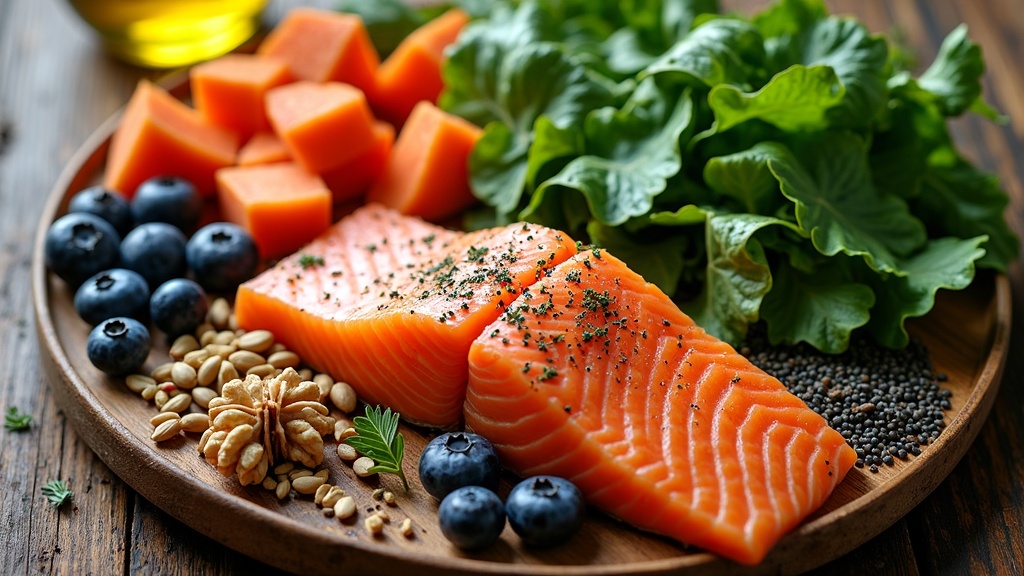
Packed with omega-3s, wild-caught salmon helps calm inflammation throughout the body. I include it a couple of times a week, baked with olive oil and herbs. Benefits I notice: fewer joint aches, steadier energy, and brain clarity.
2. Blueberries
These antioxidant-rich berries protect the thyroid gland and support overall immunity. I toss them into yogurt, smoothies, or oatmeal. They satisfy a sweet craving without causing blood sugar spikes.
3. Leafy Greens
Spinach, kale, Swiss chard — all full of fiber, magnesium, and nutrients that fight inflammation. I stir them into eggs or smoothies. They also support heart health thanks to potassium and folate.
4. Turmeric
Curcumin, the yellow pigment in turmeric, helps the body manage oxidative stress. I add turmeric to soups, roasted veggies, or even eggs. Within weeks, I noticed less bloating.
5. Walnuts
A crunchy snack full of plant-based omega-3s, selenium, and magnesium — all beneficial for thyroid function. I keep a jar at my desk to avoid afternoon slumps.
6. Sweet Potatoes
High in fiber and antioxidants, sweet potatoes keep digestion steady and blood sugar balanced. I roast them weekly to add into salads, bowls, or as snacks.
7. Broccoli
Yes, cruciferous veggies get mixed reviews for thyroid health, but moderate portions (especially cooked) are fine. Roasting or steaming broccoli reduces any “goitrogenic” effects while boosting nutrient absorption.
8. Pumpkin Seeds
Loaded with zinc and magnesium, pumpkin seeds help thyroid function and stress regulation. I sprinkle them on oats, salads, or homemade trail mix.
9. Ginger
Ginger tea is my go-to for sluggish digestion and bloating. Fresh ginger in stir-fries, smoothies, or dressings calms inflammation in the gut and helps reduce cramping.
10. Extra Virgin Olive Oil
My kitchen superstar. Olive oil is rich in antioxidants like oleocanthal that reduce inflammation and protect cells. I use it in cooking, dressings, and even to finish soups and roasted veggies.
These foods not only support thyroid balance but also calm whole-body inflammation. If you’d like more background on the science, I recommend my article on understanding inflammation. And for practical strategies when dining out, you can also check my tips on low-sodium restaurant options that keep thyroid and heart health in mind.
Other Foods to Consider
If you want to mix in more options or can’t tolerate some of my go-to eats, here are other foods I rely on for thyroid-friendly meals:
- Avocado – healthy fats and fiber.
- Beets – antioxidants and circulation support.
- Chia seeds – fiber and omega-3s.
- Bell peppers – vitamin C for immune and thyroid support.
- Lentils & beans – plant-based protein plus fiber.
Easy Food Swaps That Reduce Swelling and Bloating
Changing eating habits didn’t happen all at once for me. What worked was making simple swaps in my daily routine instead of overhauling everything overnight. Here are some easy trade-outs made the biggest difference for me:
- Processed snacks → walnuts or pumpkin seeds
- Canola/corn oil → extra virgin olive oil
- White bread/rice → sweet potatoes or brown rice
- Flavored yogurt → Greek yogurt with real berries
- Afternoon coffee → ginger or turmeric tea
These shifts not only helped my thyroid but left me feeling more satisfied and less weighed down throughout the day.
Foods to Limit
Not every food is helpful if you’re managing thyroid issues. I limit:
- Processed snacks (chips, cookies, deli meats)
- Fried or greasy foods
- Sugary desserts and sodas
- Excess caffeine (worsens jitters or anxiety)
- Large portions of raw cruciferous veggies
Everyone’s tolerance is a bit different, so I pay attention to what causes bloating for me and what helps me feel at my best.
Simple Habits That Make It Easy
- Meal prep wild salmon, roasted veggies, and greens on weekends.
- Stock frozen berries for quick smoothies.
- Add pumpkin seeds or walnuts to oats and yogurt.
- Sip turmeric-ginger tea instead of a second coffee.
- Try new recipes with these foods — like baked sweet potato bowls.
Frequently Asked Questions
If I can only start with one food, what should it be?
Extra virgin olive oil — it’s the simplest swap with a big impact.
Are cruciferous veggies safe for thyroid health?
Yes, in moderate cooked portions. Cooking reduces any potential thyroid-slowing effect.
How soon will I notice changes?
I felt less bloating and better energy within 1–2 weeks. Bigger improvements (like skin and hair) took a couple of months.
What foods make thyroid symptoms worse?
For me, it’s processed snacks, fried foods, and sugary treats. Swapping these out even a few times a week makes a real difference.
Real-Life Benefits I’ve Experienced
By sticking to these foods, I’ve noticed:
- Reduced morning swelling
- More consistent energy
- Less brain fog
- Smoother digestion and fewer cramps
It’s not an overnight cure, but consistent small changes make thyroid symptoms easier to manage — and mealtimes more enjoyable.
Sticking with these foods, my morning swelling goes down, my energy returns faster, and annoying issues like heavy legs or brain fog hit less often. My digestive system thanks me, too—with less cramping, far less bloating, and a regular schedule I can rely on. It’s not a quick fix, but eating this way really helped make my thyroid symptoms easier to manage—and I actually enjoy my meals!
If you’re just easing into things, try one or two swaps on your next grocery run and check what works for you. Making small, steady steps makes this manageable, and your thyroid—and your whole system—will be grateful for the change.
Remember, getting in tune with your body is an ongoing adventure. Everyone’s different, so mix things up, track your progress, and see how these foods work for you. In the end, taking care of your thyroid can bring life-long benefits—so don’t be afraid to make your plate a little more colorful and health-friendly each day.
👉 If you’re just getting started, pick one or two foods from this list to add this week. Over time, your thyroid (and the rest of your body) will thank you.
This list is incredibly helpful! A close friend and colleague of mine was recently diagnosed with thyroid issues, and I often find myself unsure of what to prepare when she joins us for lunch or dinner at my house. I want to be considerate without making her feel singled out.
Your breakdown of anti-inflammatory foods has given me some great ideas, like adding salmon, sweet potatoes, and pumpkin seeds to our meals. I didn’t realize how simple swaps, such as using olive oil instead of other cooking oils, could make a significant difference.
I’m curious if you have any easy “crowd-friendly” dishes that are both enjoyable for everyone and thyroid-friendly. I’d love to create mealtimes that are supportive and inclusive for all.
I’m glad this was helpful, Alyssa! It’s wonderful that you’re being so thoughtful with your friend’s needs. For crowd-friendly dishes, I like to make soups or grain bowls—both are easy to adjust for different preferences and dietary needs. For example, I’ll make a base of quinoa or rice with roasted veggies, then let people add salmon, chicken, or seeds on top. It keeps things flexible without anyone feeling singled out. Have you tried something similar when hosting your friend?
I can totally relate to this list. I’ve been managing hypothyroidism for a few years now, and shifting my diet toward anti-inflammatory foods has made a huge difference. For me, the biggest game changers were turmeric tea in the afternoons and adding pumpkin seeds to my breakfast. Within a couple of weeks, I noticed less bloating and a steadier energy level throughout the day.
I also used to worry about cruciferous veggies like broccoli, but once I started lightly steaming them instead of eating them raw, they became much easier on my system. Small swaps really do add up over time. Thanks for sharing such a practical breakdown, it’s encouraging to see someone else experiencing the same benefits!
Thank you for sharing your experience, Jason! I love hearing how turmeric tea and pumpkin seeds made such a noticeable difference for you—that’s inspiring. And you’re so right, steaming veggies like broccoli makes them much easier on digestion, I had the same fear, and I totally love broccoli! Small swaps really do add up, and it’s encouraging to know others are finding the same benefits from making gradual changes. Wishing you continued success on your health journey!
This is such a helpful and encouraging article! I love how you broke everything down into simple swaps and practical meal ideas—it makes the process feel so much more doable. I’ve noticed similar benefits when I cut back on processed snacks and added more omega-3s, but I hadn’t thought about using ginger as often as you suggest. One thing I’m curious about: do you find that rotating foods (instead of eating the same anti-inflammatory ones every day) makes a difference for thyroid health, or is consistency more important?
Jenny, I really appreciate your thoughtful comment! Cutting back on processed foods and adding in healthy fats is such a smart approach — it’s those consistent little changes that build momentum over time. I’m glad you mentioned ginger too; it’s one of those ingredients that seems simple but can make a noticeable difference when used often. As for your question, I’ve found that rotating foods helps ensure a wider mix of nutrients but having a few “staple” foods you rely on daily can be just as valuable. It’s really about striking a balance that feels sustainable.
Thanks again for continuing to add to the conversation in our community here at EZ Healthy Eats — your perspective will be so helpful for others who stop by!
– Teanna
This is such a helpful and encouraging article! I love how you broke everything down into simple swaps and practical meal ideas—it makes the process feel so much more doable. I’ve noticed similar benefits when I cut back on processed snacks and added more omega-3s, but I hadn’t thought about using ginger as often as you suggest. One thing I’m curious about: do you find that rotating foods (instead of eating the same anti-inflammatory ones every day) makes a difference for thyroid health, or is consistency more important?
Thank you so much, Jenny! I’m glad the practical swaps and meal ideas resonated with you — it’s amazing how small adjustments, like cutting back on packaged snacks or adding omega-3s, can create such noticeable improvements. Ginger has been a surprising powerhouse for me too, especially when added regularly in teas or cooking. As for your question, I’ve found that variety can be helpful for getting a broader range of nutrients, but consistency with key foods is also important for long-term balance. It’s really about finding that middle ground that works for your body.
Thanks again for sharing your thoughts here!
– Teanna
This post is spot on. I don’t have thyroid issues myself, but I recently shifted to a simpler, unprocessed food diet—and the difference to my health was amazing. More energy, less bloating, and a clearer head. It’s incredible how much our bodies respond when we stop feeding them junk and start ‘listening’.
I like the advice that small actions can bring big gains – I started out rejecting sugar products and processed sweets. That simple step made a huge difference & got me on the road. So you don’t have to make huge life changing choices – you can start with a small step.
MarkA
Spot on Mark! I love how you described “listening” to your body — it’s so true that when we strip things back to more natural foods, the difference can be remarkable. It’s encouraging to hear how simplifying your meals boosted your energy and clarity. I completely agree that even cutting out one or two processed habits can create momentum for bigger change. For anyone else reading, it really shows that small tweaks can open the door to lasting results.
After struggling with thyroid imbalances for years, I’ve learned firsthand how much of a difference anti-inflammatory foods can make. When I started adding more leafy greens, berries, and fatty fish into my diet, I noticed improvements not just in my energy but also in my overall mood and focus. It didn’t happen overnight, but over time the consistency really paid off. Looking back, it was the small, steady changes in food choices that had the biggest long-term impact on my thyroid health.
Thank you for opening up about your journey, Slavisa. It’s encouraging to hear how steady changes in what you eat have translated into more energy and focus, as well as a stronger sense of balance overall, especially dealing with thyroid issues. I’ve found that it’s those gradual, consistent tweaks that tend to stick the longest. I’m curious — out of all the foods you’ve added, which one feels the most essential to your routine now?
This list is so helpful! I really like how you tied each food back to the specific ways it supports thyroid health—it makes it much easier to see the “why” behind the choices. I’ve also found that small swaps, like switching to extra virgin olive oil and keeping walnuts on hand for snacks, make a noticeable difference without feeling overwhelming.
Your point about cooking cruciferous veggies was reassuring too. I used to avoid broccoli completely because of thyroid concerns, but steaming it in moderation has worked fine for me. Thanks for breaking it all down in such a practical way—I’m definitely going to try adding more ginger tea into my routine after reading this.
I really appreciate your thoughtful comment, Jannette! It’s amazing how even little adjustments — like changing an oil or keeping nutrient-dense snacks on hand — can shift things over time. I’ve also noticed that preparing certain vegetables in gentler ways, like steaming, makes them easier to enjoy without worry. I think you’ll really like the warmth and comfort ginger tea adds to your day — let me know how it goes once you try it!
The connection you made between anti-inflammatory foods such as berries, leafy greens, and fatty fish with thyroid function is a helpful way to approach supporting health through diet. Also, your explanation on how chronic inflammation can interfere with hormone production makes the dietary recommendations feel purposeful.
Some people might focus on eliminating problematic foods without realizing how proactively adding these nutrient-dense options can be just as important for creating a positive shift.
Thank you for such a thoughtful comment! I’m glad the connection between anti-inflammatory foods and thyroid function resonated with you — it really shows how much of an impact diet can have on overall hormone balance. I love your point about adding nutrient-dense options instead of just focusing on what to cut out. It’s such a powerful mindset shift to look at food as something that can proactively build us up, not just something to avoid.
Thanks again for sharing your perspective!
– Teanna
This post offers a wonderful, practical guide to supporting thyroid health through anti-inflammatory foods. I particularly appreciate how you highlight the importance of omega-3s, antioxidants, and fiber-rich options like wild salmon, blueberries, and leafy greens. Your personal insights make it relatable and encouraging for those managing thyroid conditions. I’m curious, have you noticed any specific food combinations or meal timing that enhance the benefits of these foods for thyroid support? I’d love to hear more about your personal experiences and any additional tips you might have!
Thank you so much for your kind words, Hanna! I really appreciate how you picked up on the importance of omega-3s and antioxidants — those foods have been game-changers for me personally as I manage my own thyroid health. I’ve noticed that pairing salmon with leafy greens or berries with nuts not only makes meals more enjoyable but also seems to give me steadier energy throughout the day. I also lean on simple planning tools, like food-tracking apps, to keep my meals balanced without feeling like extra work.
I’d love to hear if you’ve found any go-to combinations or routines that make it easier for you to stay consistent — it’s always helpful to learn what works well for others navigating the same challenges.
– Teanna
This is a great list of foods, tips, and other info. Inflammation is at the heart of so many issues. My husband struggles with thyroid issues, and he often struggles with managing symptoms. It can be hard to keep track of which foods are most triggering. I am going to send him this article; maybe we can get things under control a little better with a diet change.
I think he’ll really appreciate your first-hand account of the benefits you’ve experienced, as well. He’s become a little skeptical that anything will work at this point.
Thank you for sharing this, Steph! I know just how challenging it must be for your husband to navigate thyroid-related inflammation, as I live with hypo myself — it can feel overwhelming trying to identify what foods make things better or worse. I’m glad you’re passing this along to him, and I hope some of these suggestions give him a fresh perspective to try. I have found that using apps, like Fig, have been helpful in my meal prep, especially given the health-conscious approach I do my best to take while shopping. Sometimes even small dietary shifts can bring unexpected relief. If he tries out any of the foods mentioned, I’d love to hear what makes the biggest difference for him.
– Teanna
Thank you for an incredibly detailed list. Lately there’s been such a hype about “gut health” offering suggestions on what supplements to take, which I usually get sucked into buying. But this is very helpful in being more mindful on the foods we purchase for groceries. I most definitely want to to try this while pausing on the dozens of supplements I ingest daily. Thanks for sharing!
I really appreciate your comment! I’ve noticed that too — it’s so easy to get caught up in all the supplement hype, and it can feel overwhelming (and expensive) trying to keep up. I’ve personally found that focusing on real, whole foods makes a bigger difference for me than any pill ever has. It’s encouraging to hear you’re going to pause and try this route as well. If you do, I’d love to know which foods end up being the most impactful for you — it could be really helpful for others reading too.
– Teanna
Thank you for sharing your own experience along with the food list. I’m passing this on to a friend who’s been struggling with thyroid inflammation, and I think she’ll really appreciate the simple swaps and easy meal prep tips you suggested.
I especially like how you addressed cruciferous veggies with a balanced view. There’s so much conflicting info out there, and your “moderate and cooked” approach feels realistic rather than restrictive.
Out of curiosity, do you find it’s better to start with just one or two of these foods and build slowly, or is it fine to try adding several at once?
Thank you so much for sharing this, Sharon! I think your friend will really appreciate the practical swaps — sometimes it’s those small, manageable shifts that feel the most doable. I completely agree with you about cruciferous veggies — there’s so much conflicting advice out there, and I’ve found that a gentle, cooked approach feels much more realistic for everyday life. Personally, I’ve had the best success starting with one or two consistent changes and building from there, but I know others who do well trying a mix all at once. If your friend gives it a try, I’d be curious to hear what works best for her!
– Teanna
Thank you for this comprehensive list! As someone with epilepsy, I’ve learned that neurological conditions often share similar inflammatory pathways with thyroid issues. Back in 2004, I experimented with the ketogenic diet under medical supervision; it was still fairly new for epilepsy management then. While I couldn’t stick with full keto long-term, that experience opened my eyes to how dramatically food choices can impact brain function and overall inflammation.
Your point about turmeric really stands out to me. I’ve incorporated it regularly since then, and like you mentioned with bloating, I notice less brain fog when I’m consistent with anti-inflammatory foods. The salmon and walnuts on your list were also key parts of my healthier eating phases. It’s encouraging to see how many of these foods support both brain and thyroid health.
Linda, thank you for sharing your journey — it’s so powerful to hear how your experience with the ketogenic diet opened your eyes to the role food can play in managing neurological and inflammatory conditions. I love that turmeric has become such a consistent part of your routine; I’ve noticed similar benefits when I work it into meals regularly. It’s encouraging to hear how foods like salmon and walnuts have supported both brain clarity and thyroid health for you. Stories like yours are such an inspiration for others who may be exploring how nutrition can support more than one area of health.
– Teanna
Hi there,
I really appreciated this article – full of excellent ideas and tips.
It’s a refreshing reminder that nature really is the best pharmacy we have. Our world is so full of fast foods and processed options, it’s easy to forget that simple, everyday foods — like wild salmon, leafy greens, and turmeric — can have such a big impact on our bodies, our thyroid functions, and overall inflammation.
I smiled at the mention of ginger — as someone who’s long appreciated it for digestive support, I love how nature sometimes gives us little clues; the root even resembles intestines, almost like a gentle nudge from nature to look after our stomachs!
I love that your article has provided practical, achievable steps — from easy swaps to mindful portioning — that make it simple to start supporting thyroid health without overhauling everything overnight.
It’s a gentle reminder that small, natural changes can lead to noticeable improvements in energy, digestion, and overall well-being.
Thank you for sharing these thoughtful, natural remedies!
Cherie
Cherie, thank you for such a thoughtful reflection! I love the way you described nature as our “best pharmacy” — it really is amazing how simple foods like salmon, leafy greens, and turmeric can have such a wide-reaching impact on both energy and thyroid health. Your point about ginger made me smile too; I’ve always thought it was one of those foods that quietly does more for our bodies than we realize.
I’m so glad you found the practical steps approachable — I’ve learned for myself that it’s those small, steady changes that create the most lasting results. If you’ve found any other natural foods or remedies that make a difference for you, I’d love to hear about them.
Wishing you continued energy and wellness,
– Teanna
I’ve been dealing with thyroid ups and downs for years, and changing what I eat has probably been the single biggest difference maker. Blueberries and ginger tea especially, I notice less bloating and way more steady energy when I stay consistent. I work a lot and eat on the go but I have been trying to swap the bag of chips with healthier options, but it’s something I have to constantly remind myself to do. Years of the same routine, I sometimes find myself with that bag of chips I am trying to avoid. Anyways, it’s a work in progress for me.
Regards,
Jason
Jason, I really appreciate your honesty here. I completely understand how hard it can be to break habits when you’ve followed the same routines for years — I’ve been there myself. It’s encouraging to hear how blueberries and ginger tea have already made such a difference for you; those small, steady changes really do add up. And it’s okay if the chips sneak back in now and then — progress isn’t about perfection; it’s about consistency over time.
Here’s to keeping it sustainable and giving yourself grace along the way.
– Teanna
I liked how it shared simple tips like adding salmon, leafy greens, berries, and olive oil, and focused on small swaps instead of big changes. These foods are definitely great for overall health and reducing inflammation, but I feel like it oversimplified thyroid health and left out things like iodine, autoimmune issues, and how everyone’s body is different. The timelines also seemed a little too optimistic. Overall, it’s a nice guide for healthier eating, but not something to replace actual medical care.
Thank you for your thoughtful perspective, Kiersti! You bring up such an important point — thyroid health is complex, and factors like iodine, autoimmune conditions, and individual differences absolutely play a role. I’m glad you still found the simple swaps and practical tips useful as a starting place, because they can be a manageable way for many people to begin. And I agree with you — none of this replaces medical guidance, but hopefully it can support the journey alongside it.
Wishing you balance and continued wellness,
– Teanna
Love this! I’ve also noticed a big difference since focusing more on anti-inflammatory foods. For me, adding turmeric and sweet potatoes regularly has really helped with digestion and keeping my energy more steady. Blueberries are a must in my smoothies too — they’re such a game-changer. It’s so encouraging to see how much small changes in food can actually help thyroid symptoms
Teanna, I couldn’t agree more, it’s amazing how simple food swaps can make such a big difference! I started adding turmeric tea in the afternoons instead of a second coffee, and not only did my bloating go down, but my energy feels steadier all day. Who knew a little root and hot water could beat out caffeine?
Absolutely, Eric — those little swaps add up fast! Even trading one processed item for a real-food version can shift your energy, focus, and mood. I always say progress over perfection — healthy living should feel good, not forced. Keep it going! ????
– Teanna | EZHealthyEats
I appreciate knowing about these anti-infammatory foods. As I have also discovered, foods do affect our energy levels. Throid support is very important to our overall health. I will be adding more tumeric to my diet as well as increasing the amounts of your other suggestions. Over the years I have limited many of the foods that you suggest but there is always room for improvement. I will share this information with others.
That’s wonderful, Joseph — turmeric is such a powerhouse! I always remind readers to pair it with a pinch of black pepper to help your body actually absorb the curcumin (that’s the magic anti-inflammatory compound). You might also enjoy the Zest app for tracking anti-inflammatory grocery swaps — it keeps things simple and visual. Wishing you all the best as you keep building those healthy habits! 🌼
– Teanna | EZHealthyEats